Why Faster Swimmers Often Take Fewer Strokes & the Hidden Skill Behind Effortless Open Water Speed

The fastest swimmers are not always the ones working hardest.
Many triathletes believe swimming faster comes from pushing harder, increasing effort, and adding more metres to their training. But the swimmers who consistently perform well in races often do something different. They waste less energy, move more efficiently through the water, and maintain control when fatigue starts to build.
The biggest gains often come from understanding the relationship between distance per stroke, stroke count, breathing rhythm, and pace awareness. When these elements work together, swimming becomes less about survival and more about confidence and control.
More strokes do not always mean more speed
A common mistake among adult triathletes is chasing speed without considering efficiency. If every length requires extra strokes, it usually means the body is creating unnecessary drag or losing connection with the water.
Distance per stroke is one of the most valuable measurements a swimmer can improve because it reveals how effectively each movement is being used. A longer, more controlled stroke allows swimmers to travel further with each pull, reducing wasted effort and helping them arrive at the bike feeling stronger.
This does not mean simply stretching the stroke out and slowing down. The goal is to find the balance between reach, rhythm, and propulsion so every stroke contributes towards forward movement.
Breathing is not just about getting air
In open water, breathing can be one of the first things to fall apart when pressure increases. Crowded starts, waves, poor visibility, and race nerves can quickly turn a comfortable swim into a battle for control.
Strong swimmers develop breathing patterns that support their rhythm rather than interrupt it. They understand when to breathe, how often to breathe, and how to maintain body position while turning for air.
For triathletes, this is especially important because the swim is only one part of the race. A rushed, inefficient breathing pattern can create unnecessary fatigue that affects performance long after leaving the water.
Pace control separates confident swimmers from exhausted ones
Many swimmers can complete hard efforts in the pool, but struggle to translate that fitness into race performance. The missing piece is often awareness of pace and effort.
Learning to control speed means understanding what different intensities feel like and being able to hold a sustainable rhythm. This allows swimmers to avoid the common mistake of starting too aggressively and paying the price later.
The best open water swimmers are not simply fast. They are able to stay calm, maintain their technique, and make adjustments when conditions change.
Small improvements create race-changing results
Improving your swim does not always require endless extra sessions. Often, the biggest improvements come from making small technical changes and practising them consistently.
A better body position, improved stroke timing, and more controlled breathing can completely change how swimming feels. Instead of fighting the water, swimmers begin working with it.
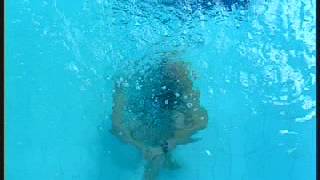
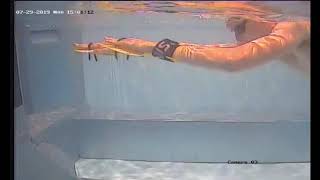
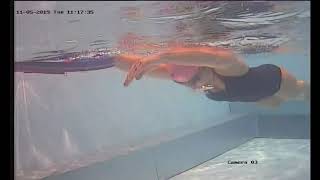
This is why video feedback and focused coaching can be so valuable. Seeing what is actually happening in the water removes guesswork and creates a clearer path towards improvement.
The question every triathlete should ask is not “How many lengths did I swim today?” but “How efficiently did I move through the water?”
If you are working on your swim technique, what is the one area you would most like to improve: stroke efficiency, breathing rhythm, or pacing control?
Most triathletes try to swim faster by adding more effort.
But the biggest breakthroughs often come from becoming more efficient, not more exhausted.
What part of your swim technique is holding you back?








Comments