Mastering the Weymouth 70.3 Swim Start: 3 Common Mistakes First-Timers Make and Solutions
If you’re gearing up for the Weymouth 70.3 triathlon this September, you probably already know the swim leg causes the most pre-race nerves. Weymouth Bay offers a stunning backdrop, but the sea swim introduces challenges you won’t find in a pool. The saltwater, waves, and open water conditions can throw off even experienced swimmers if they’re not prepared.
Having coached many athletes I’ve seen the same three mistakes trip up first-timers again and again. Avoiding these errors will save you energy, reduce stress, and help you start the race strong. Here’s what you need to know to get your swim off to the right start.

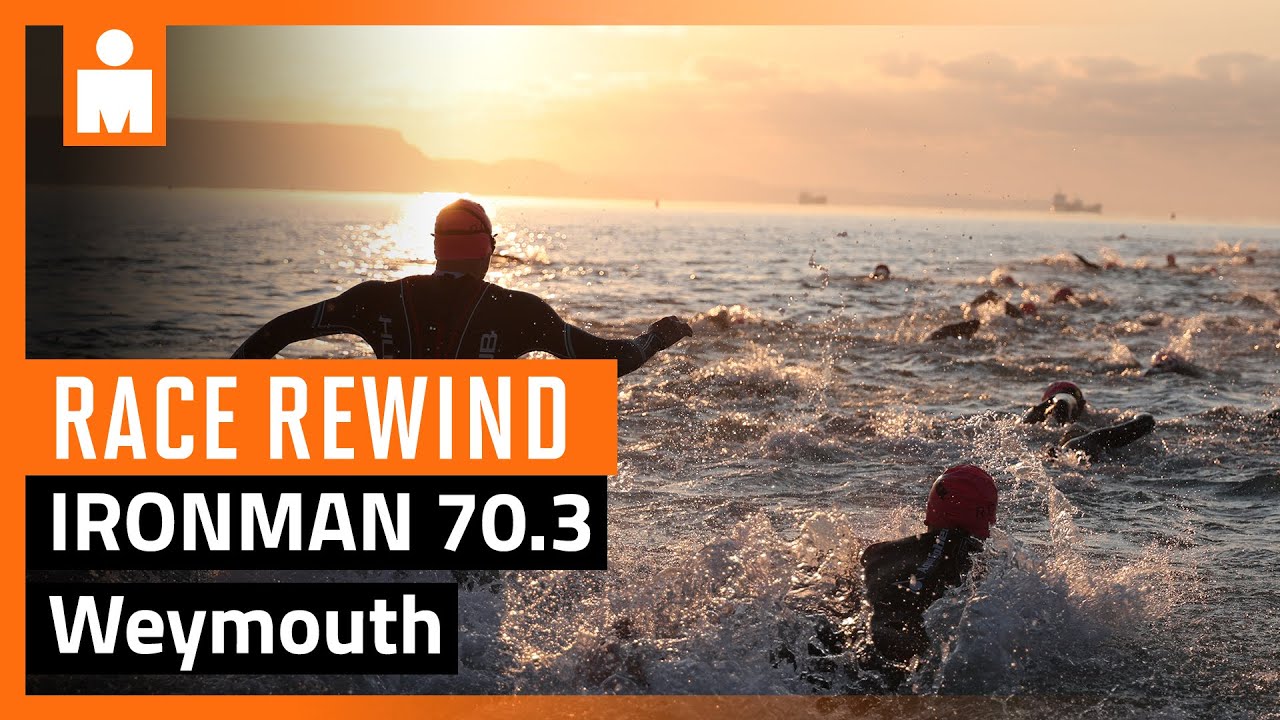
Weymouth Bay swim start area showing the buoys and typical ocean swell conditions
Mistake 1: Underestimating the Ocean Swell
Weymouth Bay looks calm and flat from the promenade, but once you step beyond the shallow surf zone, you’ll find a subtle ocean swell or chop almost every time. Many first-timers treat the swim like a pool race, only sighting every 8 to 10 strokes. This approach doesn’t work well in open water here.
The problem is that if you don’t sight frequently enough, you’ll lose your line and end up swimming extra distance or swallowing saltwater. The swell can push your body off course without you realising it.
How to Fix It
Practice a technique called “lift and breathe” sighting. Just before you turn your head to breathe, lift your eyes slightly above the waterline to spot the buoys. This lets you keep your hips high and your body streamlined while maintaining a clear sighting line.
Try this during your training swims in open water or at least in a pool with some waves or splashes. The goal is to make sighting a natural part of your stroke rhythm without breaking your flow.
Mistake 2: Running Hard Into the Water
Many athletes sprint from the beach into the water, trying to get a fast start. This often backfires. Running hard against the resistance of ocean water spikes your heart rate quickly, sometimes to 180 beats per minute, before you’ve even swum 50 meters. This early spike wastes energy and can leave you feeling drained.
How to Fix It
Use high-knee dolphin jumps through the shallow water instead of running. This technique reduces leg fatigue by moving your legs more efficiently through the water’s resistance. It also keeps your heart rate more controlled.
Once the water reaches hip depth, ease into your swim stroke smoothly. Avoid panicking or sprinting. Focus on a calm, steady rhythm to conserve energy for the longer swim ahead.
Mistake 3: Losing the Turn Buoys in Sun Glare
Depending on the morning light, the sun’s glare on the water can make the bright yellow or red turn buoys blend into the horizon. This makes it easy to miss your turning points and swim off course.
How to Fix It
Before race day, take time during your warm-up or pre-race walk to identify high-altitude landmarks behind the buoys. Look for hotel rooftops, cliff edges, or distinctive shoreline features. Use these as your primary sighting points instead of relying solely on the floating buoys.
This strategy helps you maintain a straight line even when the buoys are hard to see. It also reduces the stress of constantly searching for small markers in challenging light conditions.
Additional Tips for a Smooth Weymouth Swim Start
Check the water temperature a few days before the race to prepare your wetsuit choice and mental readiness.
Practice open water starts in similar conditions if possible, focusing on beach entry and sighting.
Plan your rolling start strategy to avoid congestion and find clear water early.
Stay relaxed and trust your training. The swim is just the beginning of the race, so pacing yourself is key.
The Weymouth 70.3 swim start can feel intimidating, but with the right preparation and mindset, you can turn it into a confident, controlled experience. Focus on frequent sighting, efficient beach entry, and using landmarks to navigate. These small adjustments will save energy and help you swim smarter.
If you’re racing Weymouth this year, what’s your biggest concern about the swim? Water temperature, swell, sighting, or the rolling start? Drop your questions below, and I’ll share tips to help you get ready for race day.
Get out there, practice these techniques, and enjoy the stunning Weymouth Bay swim with confidence!









Comments